
Which type of biothane bridle should you choose for endurance riding?
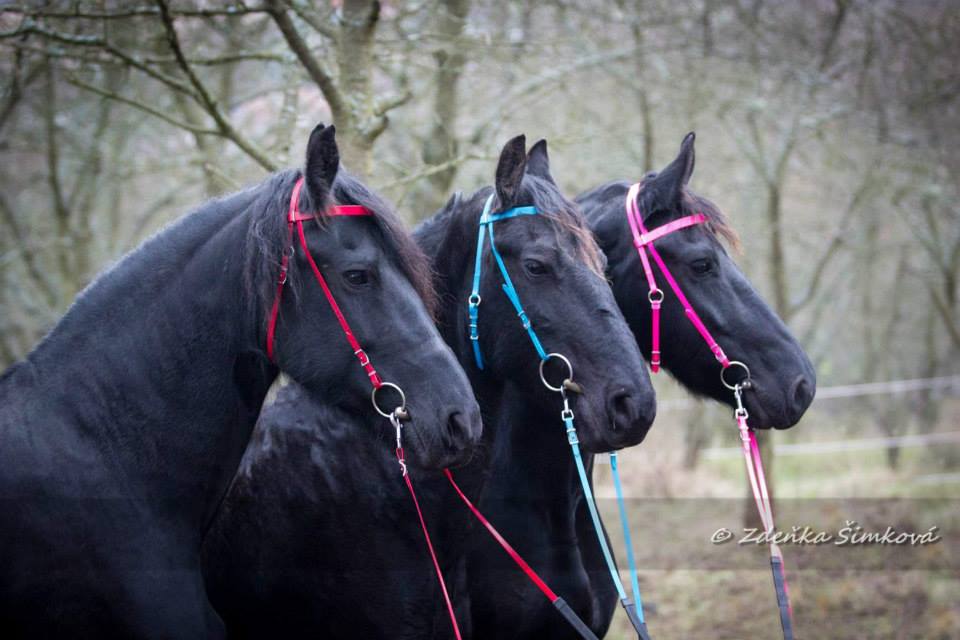
Which type of biothane bridle should you choose for endurance riding?
First, think about what you actually need the bridle for.
If you mainly ride English and want the benefits of biothane (it does not go mouldy, comes in beautiful colours and responds well to water, so you simply rinse it rather than oiling it), the right choice for you will probably be an English bridle without a noseband. If your horse is stiffer and has a harder mouth, you will need an English bridle with a noseband. These horses may open their mouths more and twist their jaws when responding to the rider. A bridle with a noseband is intended for them. Endurance riding also allows a bridle with a flash noseband, but remember that the equipment must not injure or excessively restrict the horse. The noseband straps must therefore not be too tight.

Do you want to focus mainly on endurance riding? At each break between loops, your horse needs to eat and drink properly. It can do this with a bit, of course, but can relax better with an empty mouth. Some horses will not eat or drink with a bit at all. An endurance bridle will therefore be a suitable choice. These bridles are made so that the bit can be removed quickly and easily. The time it takes to enter the Vetgate matters too. Most of these bridles also allow bitless riding once the horse has settled after its initial excitement and is manageable.
You can now choose from less expensive options, such as a bridle for a rope halter. It consists only of a browband and cheekpieces and simply attaches to the rope halter with press studs.

Or you can choose a more expensive model, where it is largely a matter of taste. Delicate and beautiful options are the so-called Slim bridles made from narrow 12 mm biothane and available with or without a browband. A bridle without a browband is especially popular with owners of horses that are sensitive about their ears.

The best-selling type of endurance bridle consists of a biothane headcollar, with the bit attached to its rings by short cheekpieces with snap hooks.

Another very popular choice is a bridle with press studs, where the horse again wears a biothane headcollar, but the bit is fitted to cheekpieces with a browband. This part attaches with press studs, just like the version for a rope halter.

Another group is riders who ride bitless. Some horses simply cannot tolerate a bit, but bitless bridles are not only for them. Well-trained, manageable horses can also compete in endurance without a bit; the rules prohibit only equipment that excessively restricts or injures the horse. The strongest bitless bridle is the hackamore. Its severity depends on the length of the shanks, which act as levers, the width of the noseband and, of course, the rider’s hands.

A gentler option is the sidepull. Here too, some leverage is used, but to a lesser extent than with a hackamore.

Some horses prefer Bitless bridle so-called cross-under bridles. They do not use a leverage system but work through direct pressure, which horses understand best. When one rein is pulled, the horse feels pressure on the same side of the nose and the opposite side of the poll. The crossed straps also act from underneath on the lower jaw.

Have you chosen your bridle? Next, choose the hardware. We offer three types.
Choose from three types of hardware:
Chrome is silver-coloured, the least expensive option and less resistant to rust.
Brass is gold-coloured, more expensive and stronger; it does not rust but darkens over time.
Stainless steel is silver-coloured and made from premium steel, welded with argon. It has high strength and resistance to salt water.
Now all that remains is to choose a colour — but I cannot help you with that.